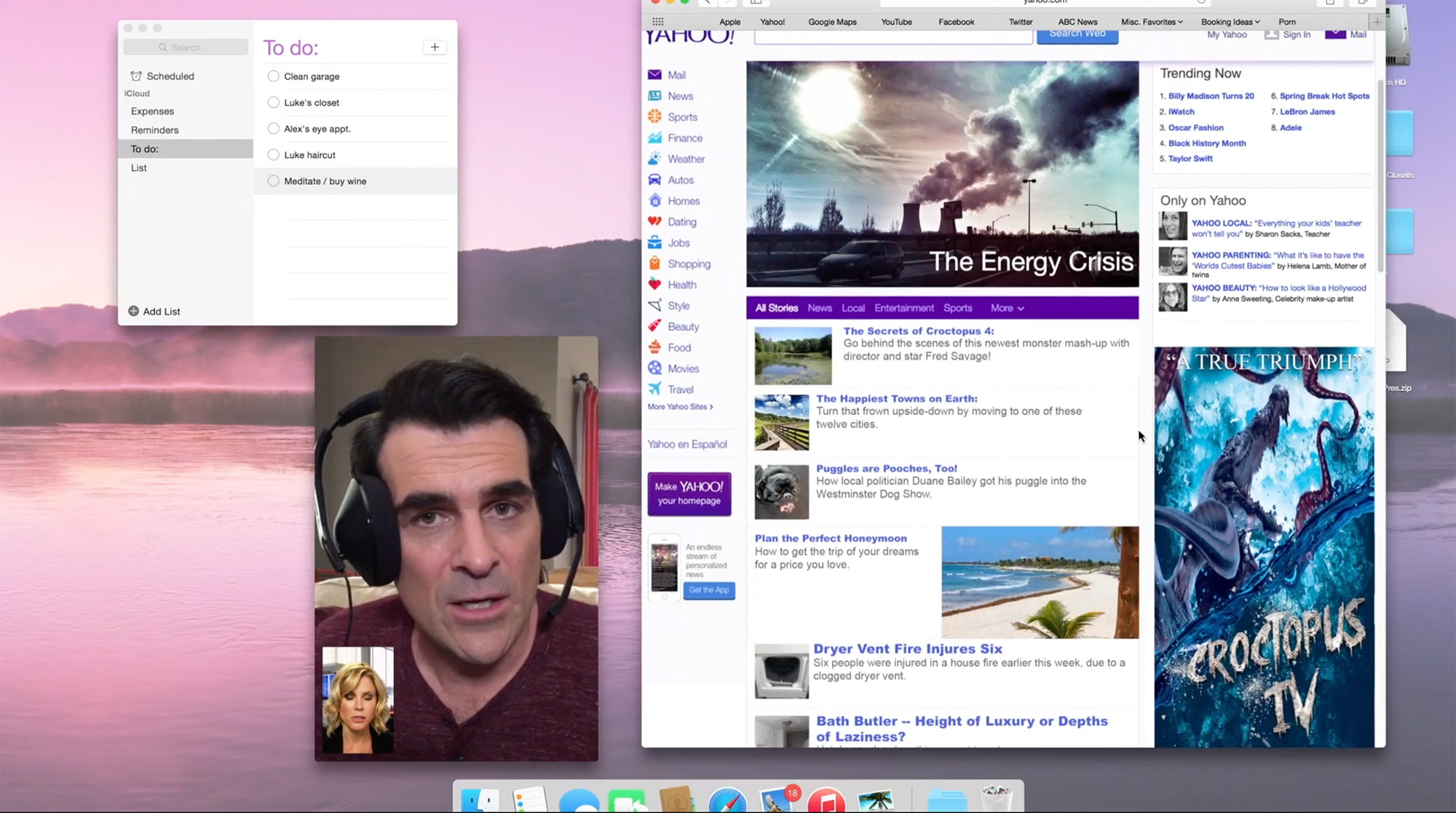
Over a decade ago, in 2013, iOS 7 dropped, and with it came the revamped Apple Notes. It was glorious. It could capture thoughts at the speed of light, handle grocery lists, sync seamlessly with MacOS, and eventually even allowed for collaboration. It was the near-perfect tool for personal logging, marred only by one fatal flaw: Apple’s gatekeeping. Just like most things in Cupertino, it was a walled garden – no integration with other ecosystems, no Windows support, no escape.
Around the same time, the project management world was effectively split. On one side, we had Basecamp—the intuitive, pre-Agile darling we used in agencies and startups. On the other, the dark leviathan known as JIRA. It took Atlassian fifteen years to drag JIRA out of the developer bubble, and by the time they did, people were writing entire books just to explain how to configure a ticket.
Then came Notion.
Five years after the Basecamp era, Notion arrived like the “Prince That Was Promised,” combining the best of all worlds. It was affordable, handled personal notes beautifully, and allowed us to construct custom workflows for small teams. It went from Prince to King, spawning a legion of copycats (looking at you, Monday, Coda, and ClickUp).
But after years of loyalty, I’ve been trying to fire Notion. Why? Because in 2025, the cracks aren’t just showing; they are structural failures.
Why Notion is losing the throne
1. Personal Use: The Speed Limit Try writing down a brilliant slogan while running for a train. By the time Notion loads, the idea has evaporated. The team did a great job moving from a web wrapper to native iOS (likely React Native with Swift injections), but it is still sluggish.
2. Security: The “Trust Me” Policy I know I shouldn’t store my daughter’s Roblox password in the cloud. I definitely shouldn’t store API keys for the hundred AI apps popping up like mushrooms after rain. But if I wanted to? Can a man get some per-page encryption, or at least a password lock for specific notes? Apparently not.
3. Small Teams: The Compliance Nightmare Notion’s infinite customization is its Achilles’ heel. Every user with access to a database can see everything. There is no granularity. No compliance, no client portals. We implemented Notion in half a dozen companies, and 90% of the time, the workflow broke because a user clicked the wrong thing, or we had to use third-party tools just to create separate “safe” views for different roles. It’s expensive, complex, and inefficient.
4. The Web Publishing Sabotage Notion has actively sabotaged using their tool as a CMS. You can pay extra to connect a domain (costing as much as actual hosting), but you get zero customization. I love the minimalist design, but I want control. Sure, there’s the hack of using Cloudflare Workers (Fruition-style) to proxy the site and inject CSS, but maintaining a script with custom pages routing just to have a blog isn’t a strategy; it’s a chore.
The 2025 Alternative Landscape
Every year I summon the courage to review the alternatives. Here is the state of the market as of late 2025.
The Corporates
The enterprise sector remains painfully slow, held hostage by Microsoft Loop and Atlassian Confluence. It is a tragedy that Google never entered this race properly; they had the ecosystem to win, but now they are too focused on AI supremacy.
For Small Teams
- ClickUp: Once a decent CRM/PM hybrid, now a legacy beast. Despite updates, it wheezes under load. I sympathize with any team starting with this stack in 2025.
- Superhuman/Coda: Promised us a database revolution, delivered a slightly different Notion.
- Slite: Now this is beautiful. And fast. These guys know how to write performant code. The dealbreaker? No free version. It’s not about greed; it’s about friction. I can’t pay $100/year for a client or a freelancer who logs in once. Notion built its empire on switching to freemium; Slite needs to learn that lesson.
- Craft: Slick, fast, native. But their free tier runs out after about five documents. I’m watching them closely—this could be a winner in two years.
- Anytype: Now we are talking. A confident Notion replacement for the privacy-conscious. It requires endless setup, but for the P2P/privacy geeks, it’s a dream.
For The “Second Brain” (Personal)
- Notion (Still): If you aren’t in a hurry, it still works as a Zettelkasten. But they spent the last two years jamming in AI that can’t write macros, rather than fixing the backlog of issues I listed above.
- Obsidian: A monster for true geeks. I spent three weeks programming it, configuring markdown plugins, and connecting it to Cursor-style AI. Then I realized: I am not that person.
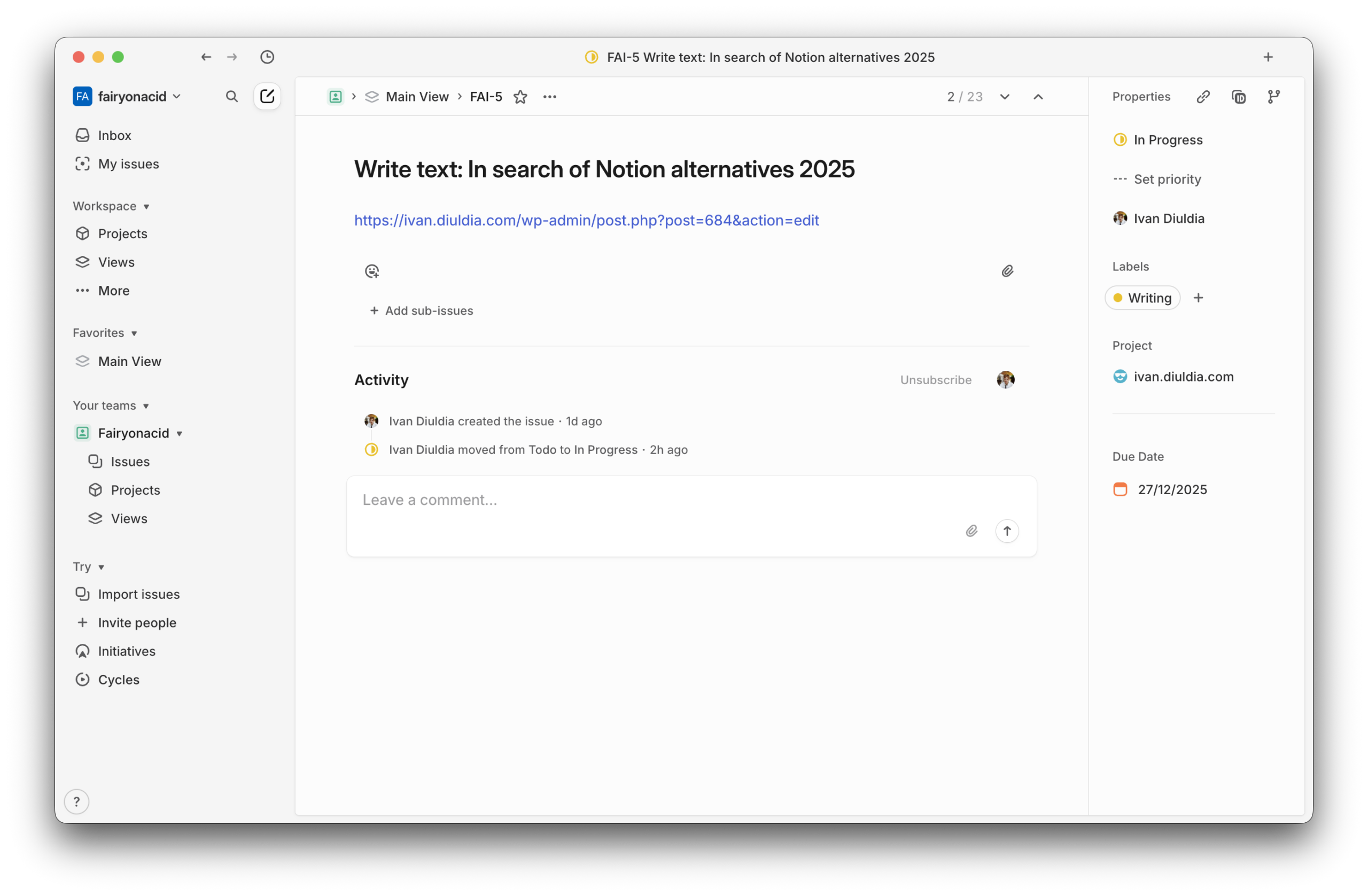
My Choice for 2025: Linear
If you are willing to let go of the “All-in-One” dream, forget about documents, and focus purely on “Getting Things Done,” Linear is the winner.
- Speed: Fast as a hare.
- Focus: Almost no bloat.
- Integration: It plays nice with JIRA and the dev tools we actually use.
- The Cursor Synergy: This is the killer feature. I can assign tasks to an Cursor’s Agentic AI, that would trigger development from a train ride on my phone. Or have Cursor update ticket statuses automatically via MCP (Model Context Protocol).
- Generous Free Tier: Enough for my shopping lists, pet projects, and sanity.
Small caveat: The iOS widget situation is lacking. Naturally, I had to fix it myself. Here is a little gist for those interested.
The Conclusion
So, what do I use for capturing that brilliant slogan while running for the train in 2025?
Apple Notes.
With all its flaws, its closed ecosystem, and its lack of modern features, it wins on the only metric that matters in the heat of the moment: Availability.
I have split my stack: Linear for the work, Notes for the thoughts. The search for the “One Tool to Rule Them All” continues.